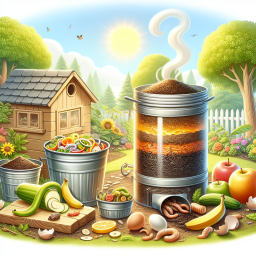
Composting Guide
Composting Guide
Excerpt: Hot compost, cold compost, tumbler, and worm farm. Turn kitchen scraps into garden gold.
Introduction
Composting is an essential practice for sustainable gardening, transforming kitchen scraps and garden waste into nutrient-rich organic matter. In Australia, with its diverse climates and unique environmental conditions, composting not only enriches the soil but also reduces landfill waste and promotes ecological balance. Whether you have a sprawling backyard or a compact balcony, there's a composting method to suit your needs. Let's delve into the world of composting and discover how you can create garden gold from everyday waste.
Best Varieties
1. Hot Compost
- Timeframe: 1-3 months
- Temperature: 55-65°C
- Best For: Quick turnover and large quantities of waste
2. Cold Compost
- Timeframe: 6-12 months
- Temperature: Ambient, no specific heat build-up
- Best For: Less maintenance and smaller quantities of waste
3. Tumbler Compost
- Timeframe: 2-6 months
- Best For: Urban areas with limited space, faster than cold compost
4. Worm Farm (Vermicomposting)
- Timeframe: Continuous process
- Best For: Indoor composting, producing rich worm castings
Planting Steps
Step 1: Choose Your Method
- Assess your available space, time commitment, and type of waste.
- Hot Compost: Requires a large bin or a designated pile, turned regularly.
- Cold Compost: Suitable for a corner of the garden, low-maintenance.
- Tumbler: Ideal for small spaces, with a rotating drum for easy aeration.
- Worm Farm: Perfect for indoor use, utilising a tiered worm bin.
Step 2: Gather Materials
- Greens: Vegetable scraps, coffee grounds, fresh grass clippings.
- Browns: Dried leaves, shredded paper, straw.
- Water: Keep moist, but not waterlogged.
Step 3: Build Your Pile
- For hot compost, layer greens and browns in a ratio of 1:2.
- Ensure good aeration by adding coarse materials like straw or small branches.
- For worm farms, add bedding material like damp newspaper or coconut coir before introducing worms.
Care & Feeding
Hot and Cold Compost
- Turning: Regularly turn hot compost every 1-2 weeks to maintain heat and aeration.
- Moisture: Keep the pile as damp as a wrung-out sponge.
- Balance: Adjust greens and browns to avoid odours or slow decomposition.
Tumbler Compost
- Rotation: Rotate the tumbler every few days for even decomposition.
- Check Moisture: Ensure contents are not drying out, add water if necessary.
Worm Farm
- Feeding: Small, regular amounts of kitchen scraps.
- Protection: Keep out of direct sunlight to avoid overheating.
- Maintenance: Harvest worm castings every few months and replenish bedding.
Harvesting
Hot and Cold Compost
- Ready Compost: Dark, crumbly texture, earthy smell.
- Timeframe: Hot compost is ready in 1-3 months; cold compost takes longer.
Tumbler Compost
- Maturity: Check after 2-6 months; should be fully broken down.
Worm Farm
- Worm Castings: Harvest by moving food to one side, allowing worms to migrate, then collect castings.
- Worm Tea: Dilute and use as liquid fertilizer for plants.
Conclusion
Embarking on a composting journey not only enhances garden productivity but also contributes to environmental sustainability. By selecting the right method for your Australian garden, you can efficiently transform organic waste into valuable compost. Whether you're nurturing a backyard vegetable patch or cultivating potted plants on your balcony, composting is a rewarding and vital part of modern gardening. Turn your kitchen scraps into garden gold and watch your plants thrive!
Ready to put this into practice?
Track your planting dates and get automated harvest reminders in your digital Garden Bed.
Go to My Garden