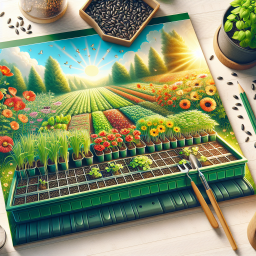
Seed Raising Guide
Seed Raising Guide
Introduction
Starting your garden from seeds is a rewarding and cost-effective way to cultivate a diverse array of plants. In Australia, the climate varies significantly from the tropical north to the temperate south, making it crucial to tailor your seed raising techniques to your specific region. This guide provides you with essential tips on starting seeds indoors or in trays, using heat mats, selecting the right seed mix, and timing transplanting for a flourishing garden.
Best Varieties
Choosing the right varieties for seed raising depends on your local climate and the growing season. Here are some popular choices for Australian gardeners:
- Tomatoes: Varieties like 'Tommy Toe' and 'Grosse Lisse' thrive in warm conditions.
- Lettuce: 'Great Lakes' and 'Butterhead' are ideal for cooler seasons.
- Capsicum: 'California Wonder' is a versatile option for most Australian climates.
- Basil: 'Genovese' is a fragrant variety perfect for culinary use.
- Pumpkin: 'Butternut' and 'Queensland Blue' are popular in many regions.
Planting Steps
1. Gather Your Materials
- Seed trays or pots: Ensure they have drainage holes.
- Seed raising mix: A light, well-draining mix specifically for seeds.
- Heat mat (optional): Provides consistent warmth, essential for germination.
- Labels and waterproof marker: To keep track of your varieties.
2. Prepare Your Space
- Choose a bright location indoors with indirect sunlight.
- Set up your heat mat if using one, to maintain a soil temperature of around 18-24°C.
3. Sow the Seeds
- Fill trays with seed raising mix, leaving a small space at the top.
- Sow seeds according to their size; small seeds should be sown on the surface, larger seeds can be buried up to twice their depth.
- Lightly water the mix to settle the seeds into place.
4. Germination
- Cover trays with a plastic dome or plastic wrap to retain moisture.
- Check daily, ensuring the soil remains moist but not waterlogged.
- Once seeds sprout, remove the cover to allow air circulation.
Care & Feeding
Watering
- Use a gentle spray bottle to water, ensuring seedlings do not dry out.
- Avoid overwatering to prevent fungal diseases.
Light
- Once seedlings have sprouted, provide plenty of light. A sunny windowsill or grow lights are ideal.
- Rotate trays regularly to ensure even growth.
Feeding
- Begin feeding seedlings with a half-strength liquid fertilizer once they develop their first true leaves.
- Gradually increase the strength as they grow.
Transplanting
Timing
- Transplant seedlings when they have at least two sets of true leaves.
- Harden off plants by gradually exposing them to outdoor conditions over a week.
Transplanting Steps
- Prepare the garden bed: Enrich the soil with compost and well-rotted manure.
- Spacing: Ensure adequate space between plants for air circulation.
- Planting: Gently remove seedlings from trays, keeping the root ball intact. Plant at the same depth they were in the tray.
Harvesting
Knowing when to harvest is key to enjoying the fruits of your labor:
- Tomatoes: Pick when fully colored and slightly soft to the touch.
- Lettuce: Harvest outer leaves as needed or cut the entire head.
- Capsicum: Harvest when they reach full size and color.
- Basil: Regularly pinch back to encourage bushy growth.
- Pumpkin: Harvest when the skin is hard and the stem begins to dry.
Conclusion
Raising seeds successfully requires patience and attention to detail, but the results are immensely rewarding. By following this guide, you'll be well on your way to cultivating a thriving garden, tailored to Australia's unique climate. Happy gardening!
Ready to put this into practice?
Track your planting dates and get automated harvest reminders in your digital Garden Bed.
Go to My Garden